Protect Your Home From Mold by Choosing the Right Floor Material
Mold growth is a major concern for homeowners, especially in damp areas like basements. By choosing the right flooring materials, you can effectively prevent mold and maintain a healthy home environment. It’s essential to understand the different factors that contribute to mold development and how selecting proper basement floors can mitigate these risks. In this guide, we’ll explore various strategies to keep your basement dry and mold-free.
The Importance of Moisture Control
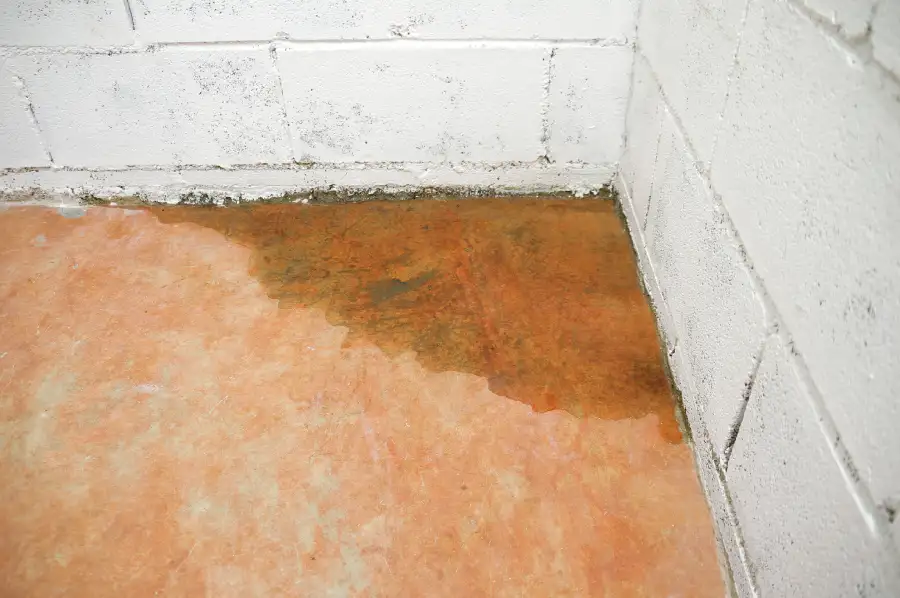
Mold thrives in moist environments, making moisture control crucial in preventing its spread. Basements are particularly susceptible to moisture due to their location below ground level. Ensuring adequate ventilation and sealing any cracks or leaks are key steps in keeping humidity levels in check. When installing basement flooring, opting for moisture-resistant materials further reduces the risk of mold formation.
Choosing Suitable Flooring Materials
Selecting the right materials is vital when planning your basement flooring project. Carpet should be avoided as it absorbs moisture easily, providing an ideal breeding ground for mold. Instead, consider options like ceramic tiles or vinyl planks which resist water penetration. These alternatives not only offer durability but also ease of maintenance, giving you long-term protection against mold.
Benefits of Proper Installation Techniques
Installing your basement flooring correctly plays a significant role in preventing mold. A professional installation ensures that all seams are tightly sealed, leaving no space for moisture to seep through. Additionally, using underlayment with vapor barriers provides an extra layer of defense against dampness. If you’re unsure about installation techniques, hiring skilled professionals can guarantee optimal results.
Regular Maintenance Practices
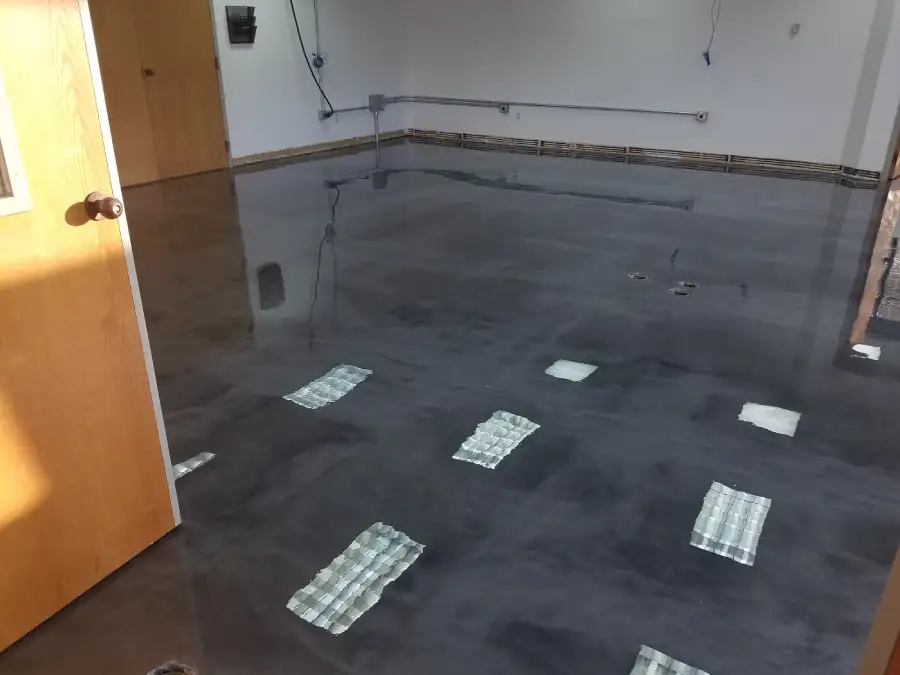
Maintaining your basement floor is equally important in deterring mold growth. Regular cleaning helps remove any dirt or debris that could harbor moisture. It’s also advisable to check for signs of wear or damage periodically. Prompt repairs on any compromised areas will prevent water from accumulating underneath the flooring surface, thus minimizing the chance of mold growth.
Potential Challenges and Solutions
Despite taking preventive measures, some challenges may still arise in managing basement moisture levels. Occasional flooding, high humidity during rainy seasons, or plumbing leaks can introduce unexpected dampness. To address these issues:
- Install a sump pump to handle excess water.
- Use dehumidifiers to maintain optimal indoor air quality.
- Repair any structural damage promptly to prevent future leaks.
Cost Considerations for Basement Flooring
When budgeting for your basement flooring project, it’s essential to factor in both material and installation costs. While initially more expensive, investing in quality materials can save money over time by reducing repair and replacement needs. Moreover, proper installation by qualified professionals ensures longevity and performance, offering an excellent return on investment.
Final Recommendations for a Mold-Free Basement
To ensure a mold-free basement, consider all aspects from material selection to regular maintenance. By addressing each step carefully, you create a lasting solution that protects your home environment. For expert guidance and quality service, reach out to Naprez Flooring LLC at (260) 443-4849. Our experienced team serves residents across Fort Wayne, IN, ensuring they enjoy safe and comfortable living spaces.