
The Steps to Achieve a Perfect Kitchen Floor Finish
Installing vinyl flooring in your kitchen is a popular choice for many homeowners. It offers durability, style, and easy maintenance at an affordable price. Whether you’re updating an old space or designing a new one, understanding the process can help you achieve the best results. This guide will walk you through the key steps and considerations for installing kitchen vinyl flooring.

Benefits of Choosing Vinyl Flooring
Vinyl flooring has become a favorite among homeowners due to its numerous advantages. It’s waterproof and stain-resistant, making it ideal for kitchens where spills are common. Additionally, it’s available in various designs and textures, allowing you to mimic the look of natural materials like wood or stone without the hefty price tag.
Preparing Your Kitchen Space
Before starting the installation, proper preparation of your kitchen area is crucial. Begin by removing existing floors if needed, ensuring that the surface is clean and level. Any debris or uneven spots can affect the adhesion and appearance of the vinyl. Take this time to measure the area accurately for ordering the right amount of material.
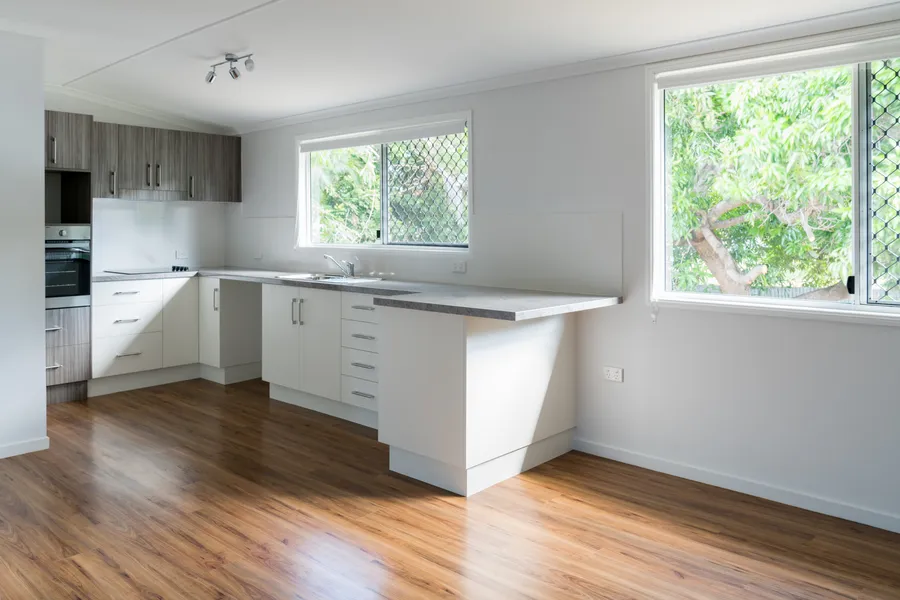
Understanding the Material: Kitchen Vinyl Flooring
When selecting your kitchen vinyl flooring, consider both aesthetic preferences and functional needs. High-traffic areas benefit from thicker wear layers that provide added protection against damage. Opting for slip-resistant finishes is also wise to enhance safety, especially in a kitchen environment.
Step-by-Step Installation Process
The installation process involves several key steps that ensure a quality finish. First, acclimate the vinyl planks or tiles to your home’s temperature for at least 48 hours before installation. This helps prevent expansion or contraction post-installation.
- Clear the room and lay out your flooring plan
- Start laying the vinyl from one corner, pressing down firmly
- Use a roller to remove any air bubbles
- Trim edges carefully with a utility knife for a precise fit
- Allow adhesive to cure completely before placing furniture back
Tackling Common Challenges During Installation
One challenge in installing vinyl flooring is dealing with uneven subfloors. If left unaddressed, imperfections in the foundation can cause visible bumps or gaps in the final surface. To overcome this, use a leveling compound to smooth out any inconsistencies before laying the vinyl.
Best Practices for Vinyl Flooring Maintenance
Maintaining your new floor properly ensures longevity and keeps it looking fresh. Regular sweeping and occasional mopping with mild cleaners will suffice. Avoid using abrasive tools or harsh chemicals that might damage the finish. Consider placing mats near high-use areas like the sink or stove to minimize wear.
Costs Involved in Vinyl Flooring Projects
Budgeting for your project involves more than just purchasing materials. Factor in costs associated with labor, preparation work, and additional supplies such as underlayment or adhesives. Investing upfront in quality products and professional installation can save money on repairs or replacements later.
Your Path to a Stunning Kitchen Floor
With careful planning and execution, vinyl flooring can transform your kitchen into a stylish yet practical space. For more information about services around Fort Wayne, IN, reach out to Naprez Flooring LLC. Our experts are ready to assist you with all aspects of your flooring project. Call us today at (260) 443-4849 to schedule a consultation.